Capital Imaging Blog
Capital Imaging is the complete visual display and graphics solution for any creative project.Choosing the Right Print Materials for High-Traffic & High-Impact Environments
In busy commercial spaces, signage does more than communicate directions or branding—it must withstand constant use, environmental exposure, and physical contact. From hospitals and manufacturing facilities to retail spaces and corporate campuses, selecting the right materials is essential to ensuring signage remains durable, legible, and visually appealing over time.
At Capital Imaging, understanding the demands of high-traffic environments helps ensure that every sign installation performs well long after it’s installed. The right materials not only protect your investment but also maintain a professional appearance in spaces where wear and tear are inevitable.
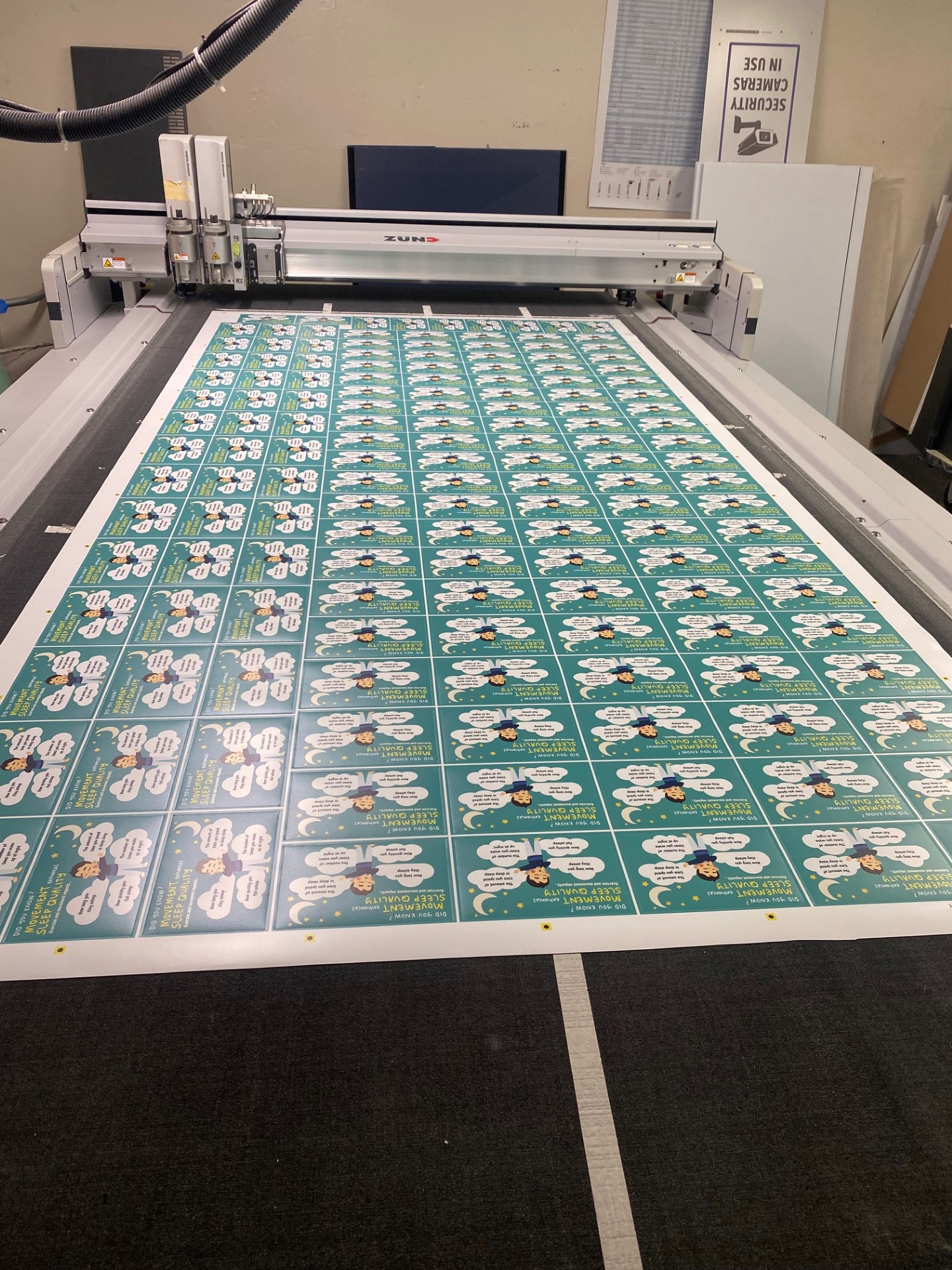
Why Material Selection Matters
High-traffic areas expose signage to a variety of challenges including frequent contact, cleaning chemicals, weather exposure, and even equipment collisions. If materials are not chosen carefully, signs can fade, scratch, crack, or deteriorate quickly.
Selecting durable materials helps businesses:
- Maintain a consistent and professional brand presence
- Reduce maintenance and replacement costs
- Ensure readability and compliance with safety standards
- Improve the longevity of signage installations
When signage is designed with the environment in mind, it continues to serve its purpose without becoming an operational headache.
Common High-Durability Sign Materials
Different environments require different materials. In high-traffic and high-impact spaces, these materials are commonly used to deliver durability and long-term performance.
Materials Types & Best Use
Aluminum is one of the most reliable materials for both indoor and outdoor signage. It is lightweight, corrosion-resistant, and able to withstand harsh weather conditions. Aluminum signage is commonly used for building identification, wayfinding, and safety signage because it maintains its integrity even in demanding environments.
Acrylic provides a sleek, professional look while still offering durability. It is often used for dimensional signage, lobby displays, and branded interior graphics. When paired with protective coatings or mounted away from direct contact areas, acrylic can maintain its clarity and finish for years.
High-pressure laminates are ideal for environments where signage may be touched frequently or exposed to cleaning agents, such as healthcare facilities or schools. These materials resist scratches, moisture, and chemical exposure, making them perfect for interior wayfinding systems.
For wall graphics, window graphics, or floor graphics in busy environments, high-quality vinyl paired with a protective laminate helps prevent fading, scratching, and peeling. Protective coatings also allow surfaces to be cleaned regularly without damaging the graphic.
In industrial and manufacturing facilities, impact-resistant plastics are often used for safety and operational signage. These materials help prevent cracking or damage when exposed to machinery, carts, or other heavy-use scenarios.
Matching Materials to the Environment
Every space presents unique challenges. For example:
- Healthcare facilities require materials that can withstand frequent sanitation and disinfecting.
- Manufacturing environments demand impact resistance and visibility in high-risk areas.
- Retail environments often prioritize both durability and brand aesthetics.
- Educational institutions need signage that resists scratching, vandalism, and heavy daily use.
Choosing materials without considering these factors can lead to premature replacements or safety issues. Evaluating traffic flow, cleaning protocols, exposure to sunlight, and potential impact risks ensures that the selected materials will perform as expected.
Designing for Longevity
Material selection is only part of the equation. Installation methods, finishes, and protective coatings also play an important role in durability. Signs placed in high-contact areas may benefit from recessed mounting, edge protection, or specialized coatings that prevent wear.
Working with experienced signage professionals ensures that both design and engineering considerations are accounted for during the planning phase, helping avoid costly revisions later.
Tired of having to pay for storage and fulfillment services? Capital Imaging is the only local print shop that offers flexible on-demand print options with trusted, high quality results. Click to learn how this option can save you time and money.
LEARN MORE